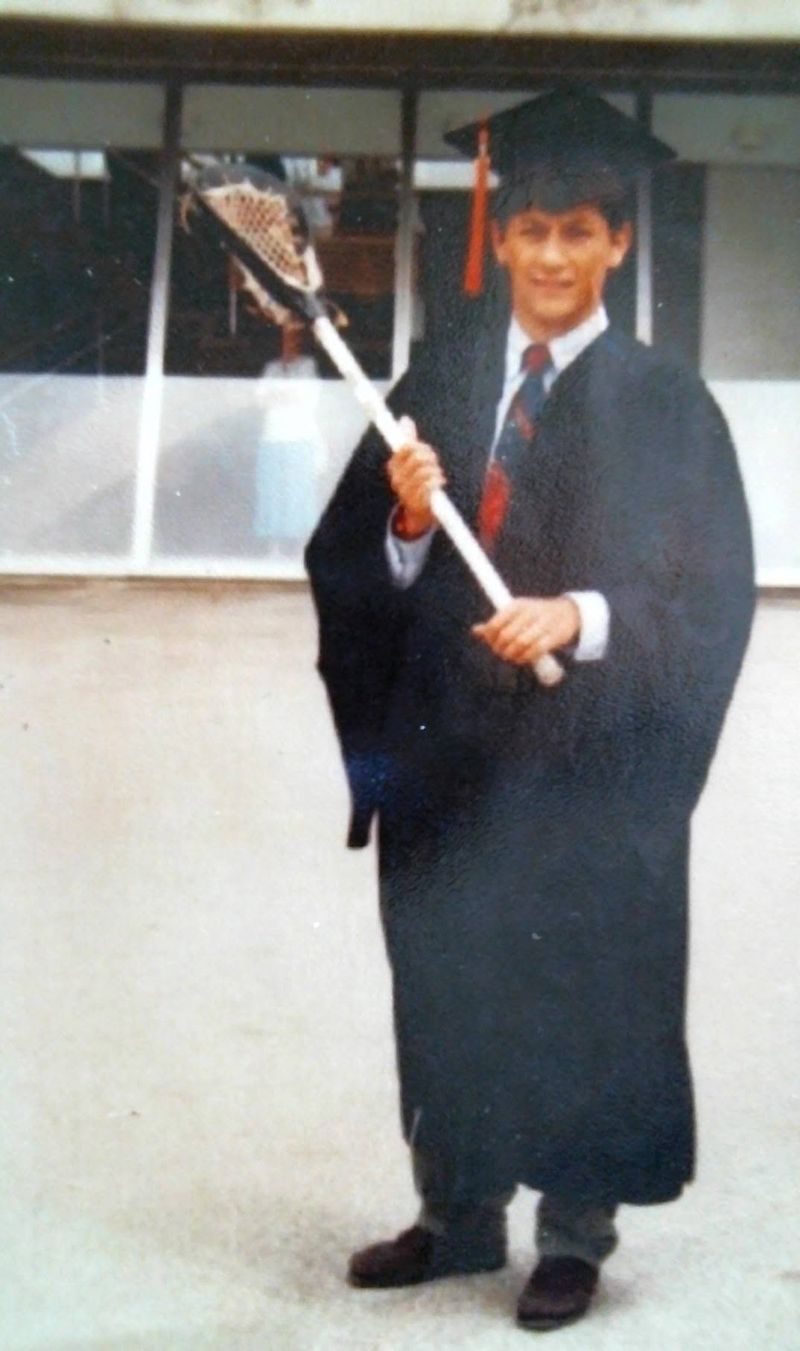
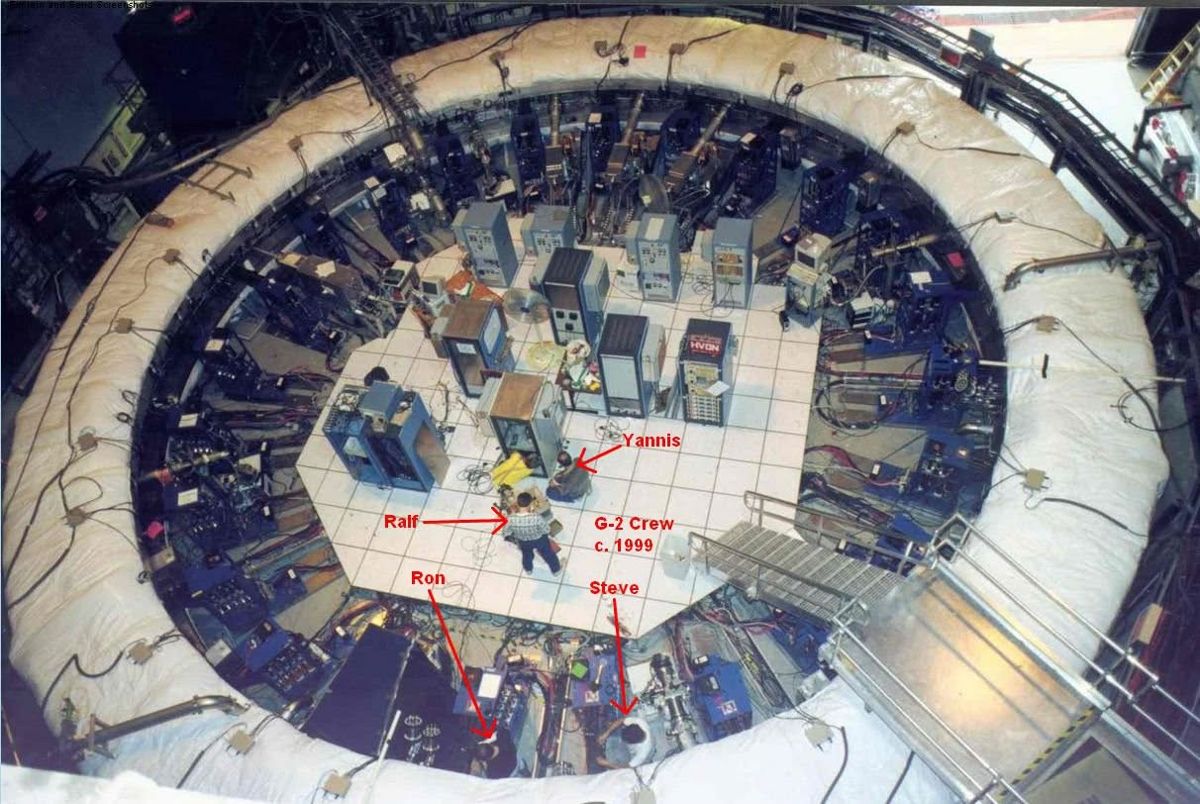
I was six the first time I meditated. My dad sat me down on the couch in his room and gave me his own Transcendental Meditation mantra. I closed my eyes and dropped into something I still call the Void. No thought. No fear. Peace beyond understanding.
When he brought me back, I didn't want to come back.
Our Sundays became a kind of home church: Robert Schuller's Hour of Power, then meditation, then my dad reading to us, then Kriya Yoga from the Self-Realization Fellowship lessons, then soccer. Meditation gave me peace, power and some control over my life when the rest of it felt like chaos. By eighth grade my friends called me “Yogi.” (I'd forgotten my lunch and meditated myself out of being hungry. It stuck.)
Behind those lessons was Paramahansa Yogananda, who founded the Self-Realization Fellowship and wrote Autobiography of a Yogi. His Kriya Yoga became my daily practice.
At fifteen I made a vow. I'd go into physics to understand the mysteries of the universe, the mind of God if you like, and someday I'd meet a physicist named Roger Jones, whose talks on physics and spirituality my dad had come home buzzing about.
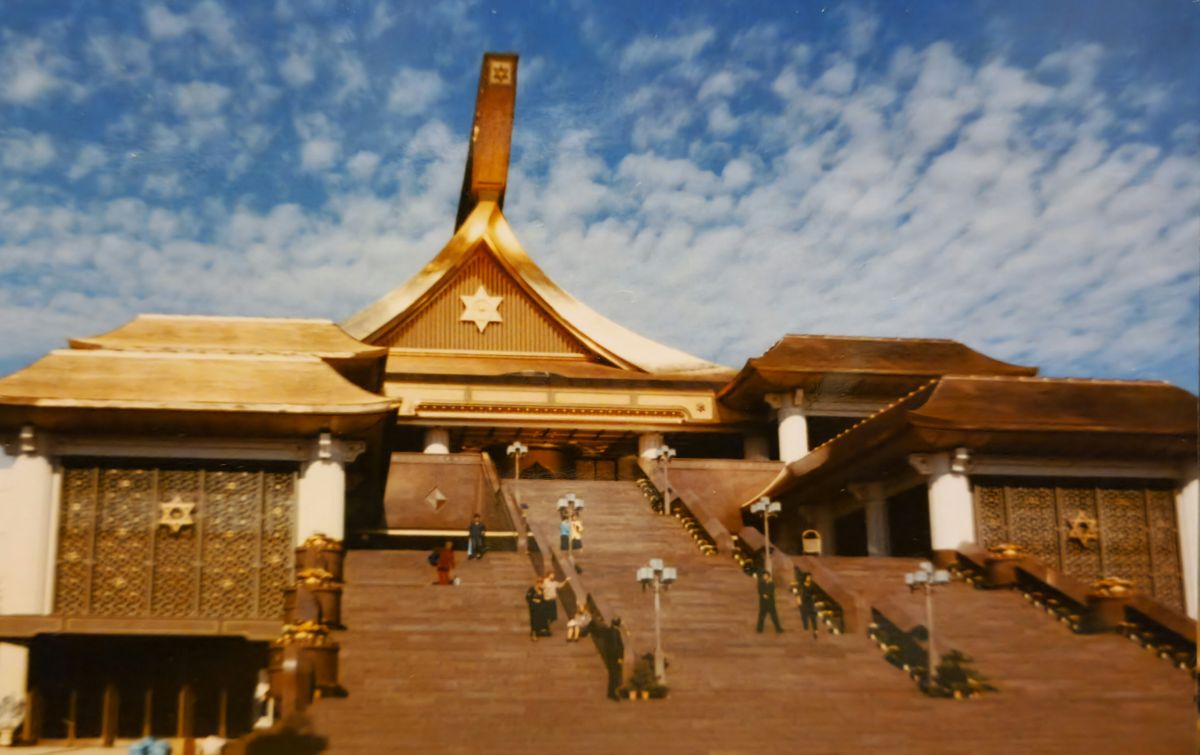
In high school my family practiced Sukyo Mahikari, and in 1987 we spent a week at its main shrine in Takayama, Japan. I fell in love with the culture.
Through all of it, one thing kept bothering me. Meditation, visualization, Kriya, teachings about energy and past lives: the experiences were real to me, but the claims around them were just claims. Nobody could show me how they knew. I didn't want to stop practicing. I wanted to understand it more deeply, and physics was where claims get tested.